Burden of caregivers who care for oldest-old parents with disability: a cross-sectional study
Abstract
Objective: To describe the characteristics of oldest-old Chinese with disability and their adult-child caregivers, and the extent to which these characteristics were associated with caregiver burden.
Methods: The study was based on 168 pairs of disabled oldest-old adults and their adult-child caregivers, derived from the Chinese Longitudinal Healthy Longevity Survey. Descriptive analyses of care recipients’ and caregivers’ characteristics were conducted respectively, in reference to caregiver burden. Statistically significant characteristics identified in these bivariate analyses were then jointly evaluated in multiple linear regression models with caregiver burden as the outcome.
Results: Care recipients positive emotion status [(β = -0.227 (-0.412, -0.042)], multiple chronic disease [(β = 0.513 (0.081, 0.945)], and caregivers spent more caregiving time [(β = 0.225 (0.061, 0.389)] were main factors associated with caregiver burden.
Conclusion: Adult-children caregivers perceived heavier burden if care recipients had low positive emotions, had multiple chronic diseases, and caregivers spent more time caregiving.
Keywords: Adult children; Caregiver burden; Chinese; Disability; Parent-child dyads.

Yanjuan Wu
Master of Science in Epidemiology and Biostatistics, 2020-2023
Alzheimer’s socioeconomic costs prediction
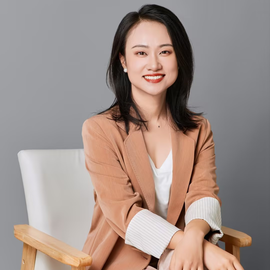
Jing Liao
Associate professor, Department of Medical Statistics & Epidemiology| SYSU Global Health Institute (SGHI), Sun Yat-sen University, China
Healthy ageing dynamics, examining social networks × health behaviors × multidimensional functioning (physical/cognitive/social). Uses longitudinal cohort modeling (global datasets) to pinpoint socio-determinants, with RCT-validated interventions.