Study on the community-based social embedding implementation strategy for digital cognitive training
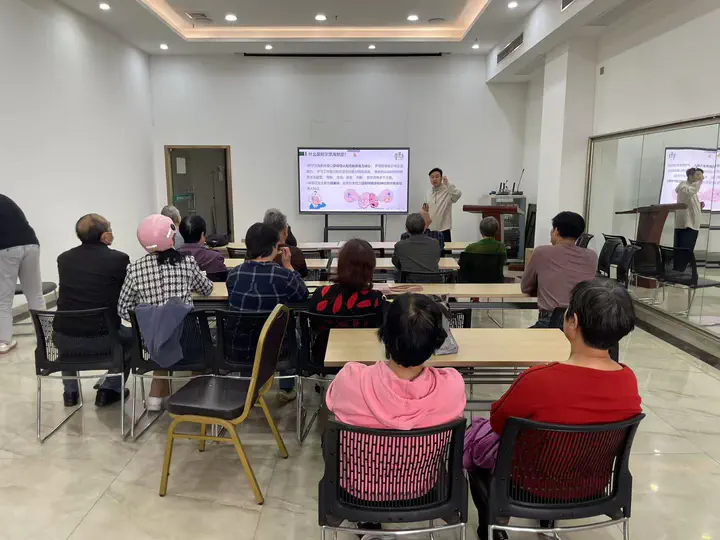
To enhance adherence to cognitive training and improve intervention outcomes through a community-based social embedding implementation strategy.
Research purposes
To enhance adherence to cognitive training and improve intervention outcomes through a community-based social embedding implementation strategy.
Research content
- Collaborate with stakeholders to design social embedded implementation strategies
- Sequential multiple allocation randomized trials were used to individually verify the effectiveness of the implementation strategy
- Collaborate with stakeholders to design social embedded implementation strategies ; for the obstacles and promotion factors of digital cognitive training for the elderly identified by the project team, collaborate with community health service center healthcare workers, social workers and elderly volunteers, mild cognitive impairment The elderly and their families, and multiple stakeholders based on behavior change technology to jointly design, develop and implement strategies.
- Using sequential multi-allocation randomized trials, individualized verification of the effectiveness of the implementation strategy; according to the participants’ compliance with digital cognitive training at different stages, individualized and adaptive adjustment of the implementation strategy to evaluate the differences in the compliance of different strategies to improve the elderly’s digital cognitive training and improve cognitive function.

Min Wu
Master of Science in Epidemiology and Biostatistics, 2022-2025
digital cognitive training in older adults with MCI

Ruini Sun
Phd in Epidemiology and Health Statistics
implementation and evaluation of digital health interventions for older adults with cognitive decline

Jing Liao
Associate professor, Department of Medical Statistics & Epidemiology| SYSU Global Health Institute (SGHI), Sun Yat-sen University, China
Healthy ageing dynamics, examining social networks × health behaviors × multidimensional functioning (physical/cognitive/social). Uses longitudinal cohort modeling (global datasets) to pinpoint socio-determinants, with RCT-validated interventions.

Ni Gong
Associate Professor, School of Nursing, Jinan University
integrating theoretical knowledge from sociology and anthropology, interprets nursing issues, with a particular focus on research in the fields of aging and chronic disease management

Yongjin Zhang
Master of Science in Epidemiology and Biostatistics, 2022-2025
Alzheimer’s disease prediction model